
The problem
A broad list of capabilities can sound unfocused. Vajra Works needed a position that explained why research, communication, websites, software and AI belong within the same studio.
Context
This is an internal company-building project. It documents the decisions behind Vajra Works rather than presenting the studio as its own external client.
Research and reasoning
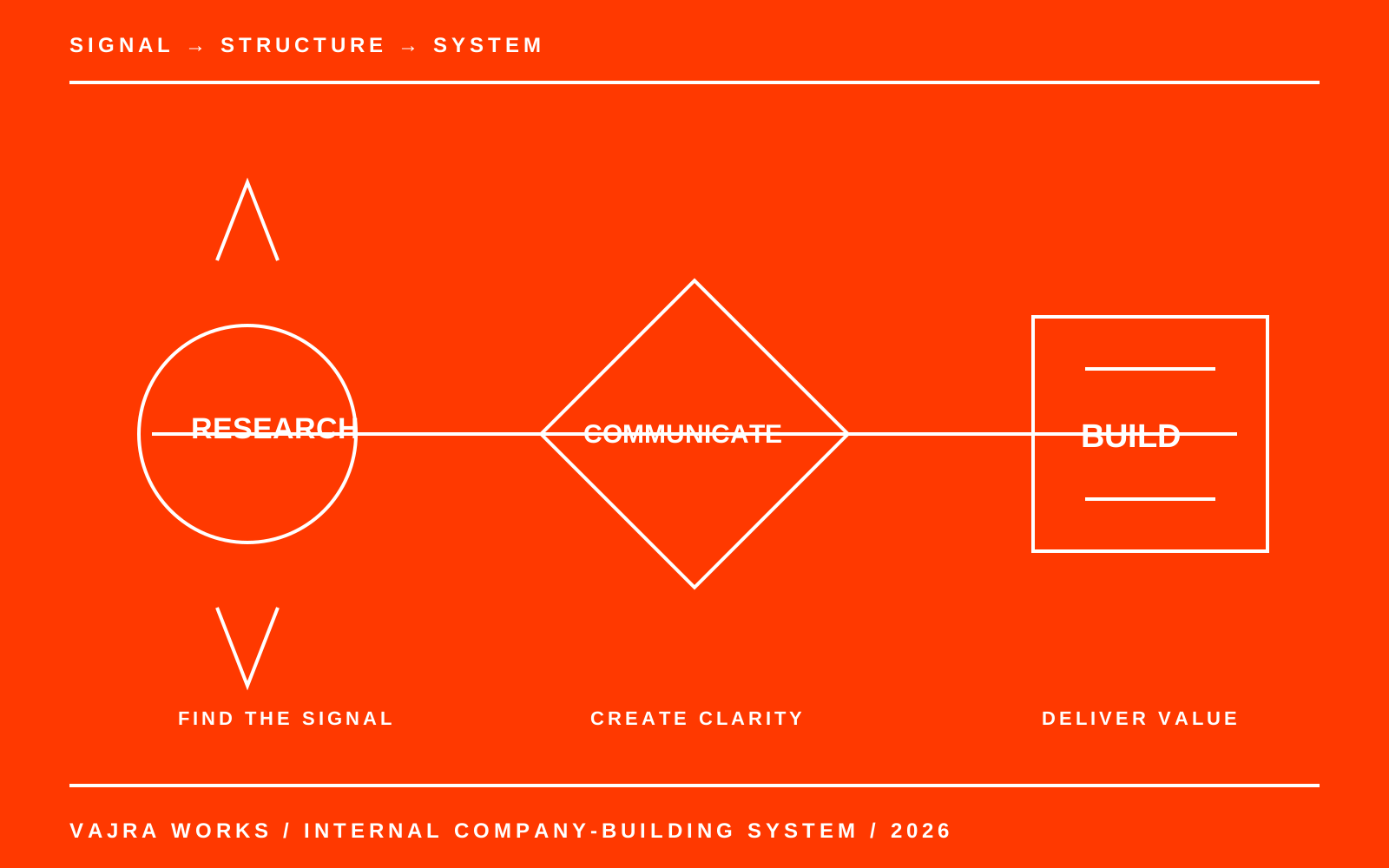
The work identified one recurring pattern: organisations often execute before they have understood the need or explained it clearly. That led to a simple operating structure—Research, Communicate, Build—and a rule that each stage should inform the next.
The system
- A positioning system centred on evidence before execution.
- Five connected capabilities with clear starting scopes.
- An editorial visual language limited to orange and white.
- A fast static website with progressive enhancement.
- A static Hostinger-compatible frontend connected to a narrowly scoped Supabase enquiry service.
- Testing, deployment, rollback and maintenance documentation.
Evidence created
- Seventeen generated pages with build-time content validation and internal-link checks.
- One central configuration source for contact details, navigation and verified social links.
- A versioned enquiry schema and server-side submission function with no public table policy.
- Unit, accessibility, responsive, smoke and deployment checks prepared for independent review.
- An end-to-end backend test that confirmed a real submission, inspected the stored row and removed the QA record.
Present status
The platform is being prepared for production deployment. The approved app icon and enquiry backend are integrated. Final legal wording, the accessibility contrast decision and Hostinger configuration still require confirmation before launch.
Limitations
This case study demonstrates the studio’s own thinking and execution. It does not substitute for independently verified client results.